Commercial Claims
Commercial property owners and businesses face complex policies and larger losses. We handle the documentation, valuation, and negotiation so your business recovers and reopens faster.
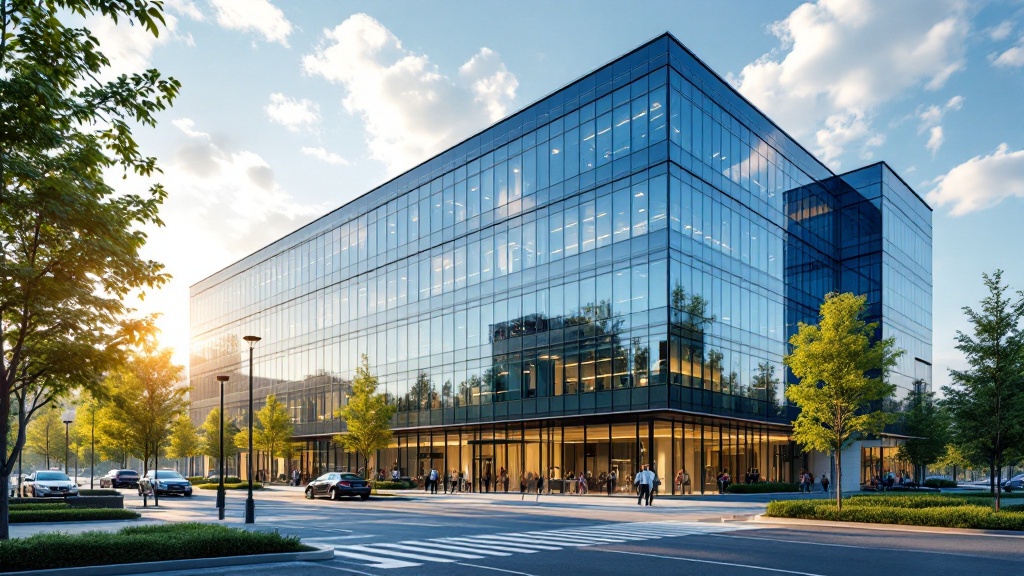
We document it. We negotiate it. You recover it.
Commercial property owners and businesses face complex policies and larger losses. We handle the documentation, valuation, and negotiation so your business recovers and reopens faster.
- Commercial property damage
- Business interruption
- Large-loss negotiation
- Multi-unit and HOA claims
Every file is handled by a licensed adjuster, on contingency. You pay nothing upfront and nothing at all unless we recover for you.
Start your free reviewWhat does a commercial public adjuster handle?
We represent businesses, property owners, and associations on commercial claims, documenting building damage, equipment and inventory, code-upgrade costs, and the business-interruption losses that come from being closed or slowed. Commercial policies are denser and the dollars are larger, which is exactly why the carrier's first scope tends to fall short.
When you need commercial claims help
- Storm, water, fire, or structural damage has closed or slowed your operation
- You're facing a large or complex loss with a dense commercial policy
- Business-interruption or lost-income coverage is in play and hard to quantify
- You manage a multi-unit building, HOA, condo association, or commercial portfolio
- The carrier's offer doesn't reflect the true cost to rebuild and reopen
How commercial claims work with Vanguard
- Loss assessment & policy reviewWe inspect the property, scope the damage, and read the full policy (including business-interruption and code provisions) to map what's recoverable.
- Document structure and income lossWe build the property scope and, where covered, quantify lost income and extra expense with your financial records.
- File and present the claimWe submit a documented claim and meet the carrier's adjuster and experts on site to defend the scope.
- Negotiate the large lossWe challenge under-valuation, depreciation, and omitted code upgrades, invoking appraisal when the carrier won't move.
- Settle and reopenWe work to release funds quickly so repairs and operations can resume, and confirm recoverable depreciation is paid.
How we build your case
The settlement follows the documentation. Here's what we put on the record so the claim is decided on evidence, not the carrier's first impression.
- Full building and systems damage scope with line-item estimates
- Equipment, fixtures, and inventory loss inventories with values
- Business-interruption analysis built from your financial records
- Code-upgrade (ordinance-or-law) line items required to rebuild
- Vendor and contractor estimates for repair and replacement
- A causation and timeline record tying losses to the covered event
Why this beats going it alone
Commercial carriers bring engineers, accountants, and seasoned adjusters to a large loss. Going it alone, or leaving it to a broker, usually means accepting their valuation of both your building and your lost income. We bring an independent, documented counter-valuation so the settlement reflects what it actually costs to rebuild and reopen.
What it costs: no recovery, no fee
We work on contingency, so there are no upfront fees, and if we don't recover, you don't pay. The fee for your claim is set out in the written contingency agreement we review with you before you sign. You also have the right to cancel a public adjuster contract without penalty within a short window after signing: 10 days in Florida (30 days during a declared emergency) and five business days in South Carolina, so you're never locked in.
Want the full breakdown of how public adjuster fees work? See our public adjuster cost guide.
Commercial Claims FAQ
No upfront fees. No recovery, no fee.
A licensed public adjuster works your claim from first inspection to final settlement.
Real reviews from the policyholders we represent.
4.7 ★ average from 13 verified reviews · Read them on Google
Have a commercial claim?
A licensed public adjuster will review your loss and policy for free.