Denied Claims
A denied property claim is rarely final. We find out why the carrier said no, rebuild the documentation they claimed was missing, and pursue the claim through a supplement, the policy's appraisal clause, or mediation.
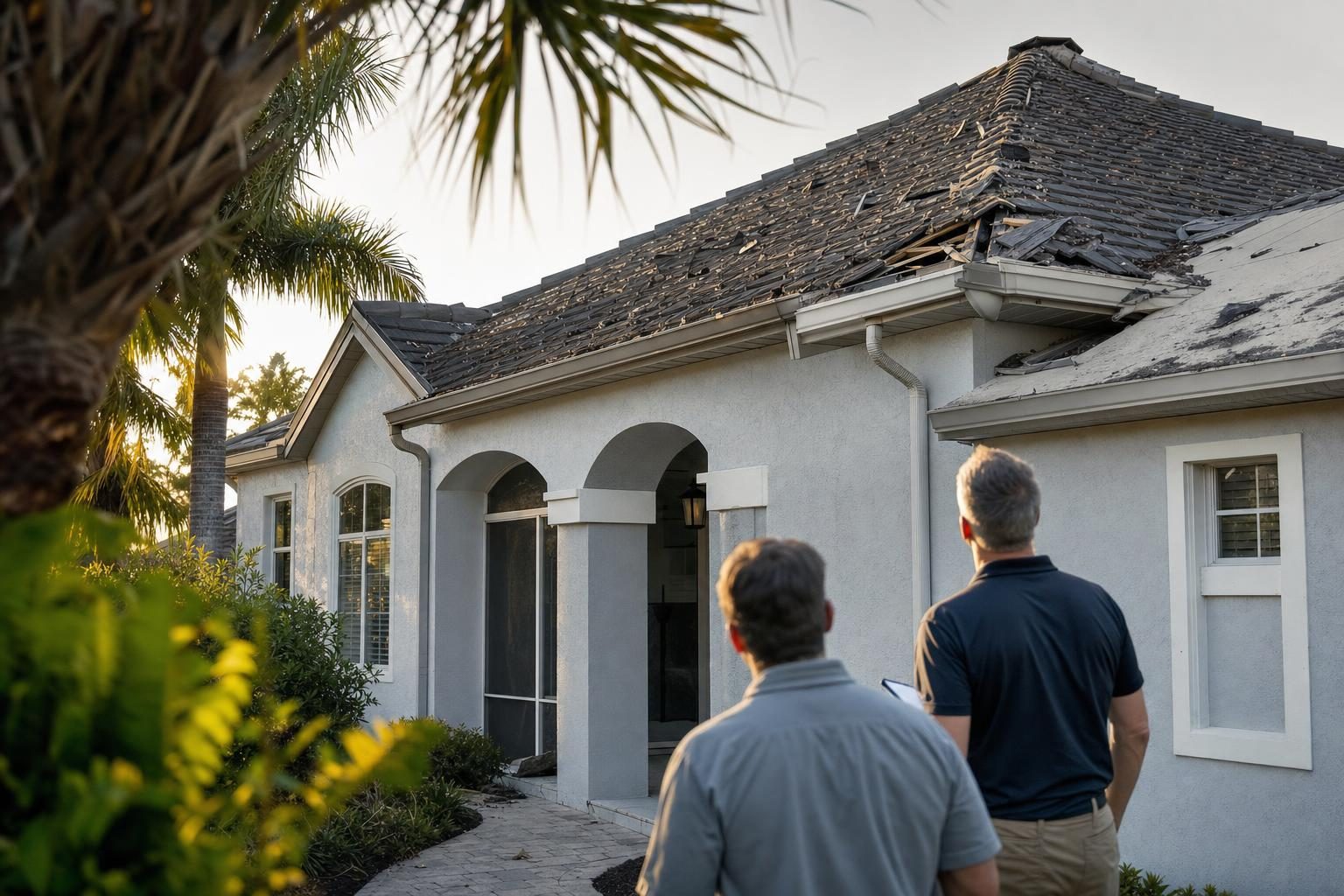
We document it. We negotiate it. You recover it.
A denied property claim is rarely final. We find out why the carrier said no, rebuild the documentation they claimed was missing, and pursue the claim through a supplement, the policy's appraisal clause, or mediation.
- Denied claim review
- Re-inspection and re-documentation
- Supplement, appraisal, or mediation
- Wrongful and partial denials
Every file is handled by a licensed adjuster, on contingency. You pay nothing upfront and nothing at all unless we recover for you.
Start your free reviewCan a denied insurance claim be reopened?
Yes, a denial is rarely the end. Insurers deny or partially deny claims for fixable reasons: 'insufficient documentation,' a disputed cause, a misapplied exclusion, or a missed deadline. As long as you're within your state's filing deadlines, we can re-inspect the loss, rebuild the evidence the carrier said was missing, and pursue the claim through a supplement, the policy's appraisal clause, or mediation.
When you need denied claims help
- Your claim was denied and you believe the loss is covered
- The carrier cited 'insufficient documentation' or 'pre-existing damage'
- Only part of your claim was approved and the rest was denied
- You were denied on a technicality or a disputed cause of loss
- You're not sure why you were denied and want it reviewed, for free
How denied claims work with Vanguard
- Read the denial and the policyWe identify the exact basis for the denial and check it against your policy language and the facts of the loss.
- Re-inspect the lossWe document the damage the carrier's inspection missed or dismissed, with photos, measurements, and readings.
- Rebuild the documentationWe assemble the evidence the carrier said was lacking (causation, scope, and estimates) into a claim that's hard to refuse.
- Choose the pathDepending on the denial, we pursue a supplement, invoke the policy's appraisal clause, or request state mediation.
- Negotiate or escalateWe press the claim and escalate through the available remedies until you get a fair result.
How we build your case
The settlement follows the documentation. Here's what we put on the record so the claim is decided on evidence, not the carrier's first impression.
- The denial letter and the specific reason cited
- Policy language relevant to the disputed coverage or exclusion
- Re-inspection evidence of the damage that was missed or dismissed
- A causation record tying the loss to a covered event
- Independent contractor estimates for the full scope
- A timeline showing the claim was reported within deadline
Why this beats going it alone
A denial letter is written to sound final, but most denials rest on a fixable gap: missing documentation, a contested cause, or a misread exclusion. Fighting it alone means arguing against the carrier's own paperwork. We rebuild the claim on evidence and route it through the right remedy (supplement, appraisal, or mediation), which is what reverses denials.
What it costs: no recovery, no fee
We work on contingency, so there are no upfront fees, and if we don't recover, you don't pay. The fee for your claim is set out in the written contingency agreement we review with you before you sign. You also have the right to cancel a public adjuster contract without penalty within a short window after signing: 10 days in Florida (30 days during a declared emergency) and five business days in South Carolina, so you're never locked in.
Want the full breakdown of how public adjuster fees work? See our public adjuster cost guide.
Denied Claims FAQ
No upfront fees. No recovery, no fee.
A licensed public adjuster works your claim from first inspection to final settlement.
Real reviews from the policyholders we represent.
4.7 ★ average from 13 verified reviews · Read them on Google
Have a denied claim?
A licensed public adjuster will review your loss and policy for free.