What Is an Insurance Claim Supplement? How to Reopen an Underpaid Claim
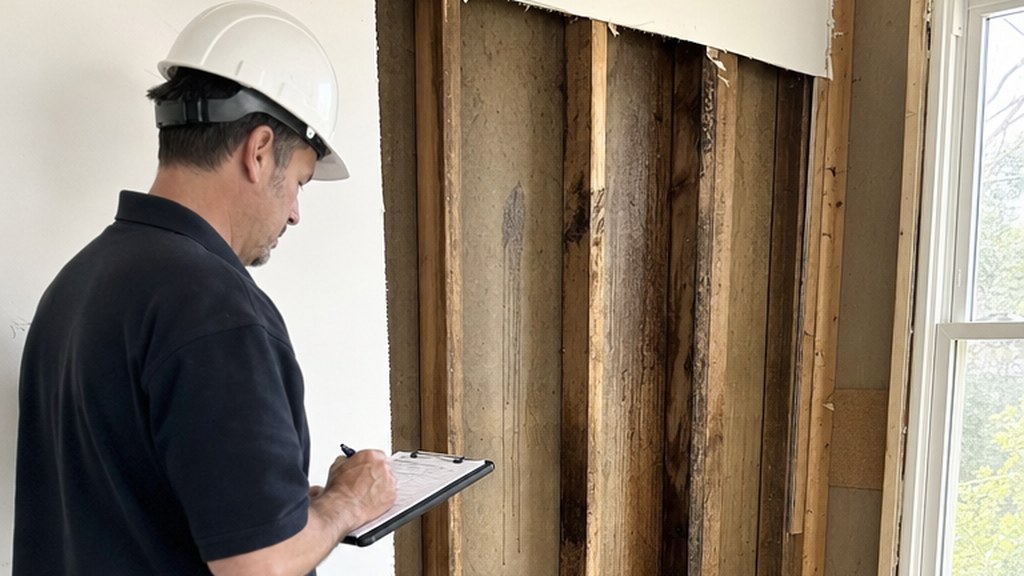
The first estimate is written before anyone opens a wall. When the demolition starts and the real scope appears, the difference is not a favor you ask for. It is a supplement, and it has its own process, its own evidence standard, and its own deadline.
TL;DR:
- A supplement is a request for additional payment on a claim the insurer already adjusted, because more damage or more scope was found after the original estimate.
- Florida defines it in statute as "a claim for additional loss or damage from the same peril which the insurer has previously adjusted or for which costs have been incurred while completing repairs or replacement pursuant to an open claim" (Fla. Stat. § 627.70132).
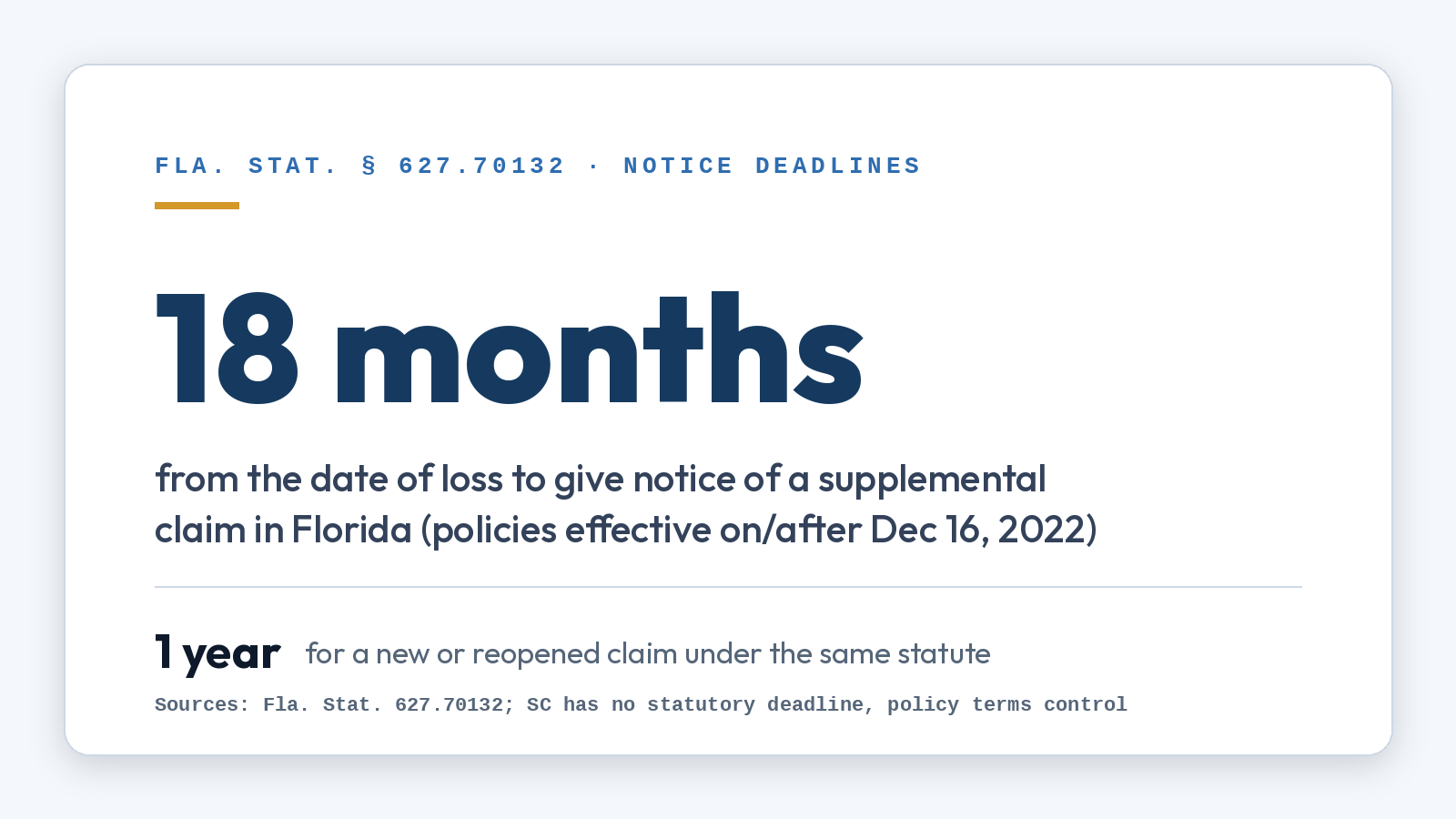
- In Florida, notice of a supplemental claim is generally due within 18 months of the date of loss, versus 1 year for a new or reopened claim, for policies effective on or after December 16, 2022.
- In South Carolina there is no equivalent state supplemental-claim deadline. Your policy's own conditions control, and suits on a policy generally fall under the three-year limit in S.C. Code § 15-3-530.
- Supplements are won on documentation: photos taken before the wall closes, line-item estimates that match the carrier's format, and a written record tying every added item back to the covered peril.
An insurance claim supplement is a request for additional payment on a claim your insurer already adjusted, filed when the actual repair turns out to cost more than the original estimate. It is not a new claim and it is not an appeal of a denial. It is the mechanism the industry uses to correct an estimate written too early, too fast, or too narrowly, and it is a normal part of how property claims settle.
Most homeowners never file one because nobody tells them it exists. The first check arrives, it looks official, and the natural assumption is that the number is final. It usually is not. An adjuster writes a scope from what is visible on the day of inspection, and water behind drywall, decking rot under shingles, code upgrades that surface at permitting, and pricing that moved between the estimate and the contract are all invisible that day and all legitimately payable later. Our supplemental claims service exists because that gap is so common.
What is an insurance claim supplement, exactly?
A supplement asks the carrier to add money to an existing claim for loss or damage from the same covered event that the original settlement did not include. The claim number stays the same and the peril stays the same. What changes is the scope, the price of that scope, or both.
Florida defines the term in statute. Under Fla. Stat. § 627.70132, a supplemental claim is:
"A claim for additional loss or damage from the same peril which the insurer has previously adjusted or for which costs have been incurred while completing repairs or replacement pursuant to an open claim for which timely notice was previously provided to the insurer."
Two conditions there do all the work. First, same peril: a supplement rides on the covered event you already reported, so new water from a new leak six months later is a new claim. Second, timely notice was previously provided: if the original notice was late or never given, there is nothing for a supplement to attach to.
The same statute defines a reopened claim separately, as "a claim that an insurer has previously closed, but that has been reopened upon an insured's request for additional costs for loss or damage previously disclosed to the insurer." That distinction is the most common place we see the wrong word used for what is actually being filed.
Supplement, reopened claim, or new claim: which one is it?
| Supplement | Reopened claim | New claim | |
|---|---|---|---|
| What it covers | Additional loss or damage from the same peril, found after the insurer adjusted the claim or while repairs were underway | Additional costs for damage that was already disclosed to the insurer on a claim the carrier closed | A different loss event, or a different peril |
| Claim number | Same claim | Same claim, reopened | New claim number |
| Typical trigger | Wall opened, decking exposed, code upgrade required, missed line items, price change | Carrier closed the file, then the true cost of known damage came in higher | A new storm, a new leak, an unrelated event |
| Florida notice deadline | 18 months from date of loss | 1 year from date of loss | 1 year from date of loss |
| Evidence needed | Proof the added scope comes from the original covered peril | Proof of the actual cost of the previously disclosed damage | Full first-notice documentation |
Those Florida deadlines come from § 627.70132 and apply generally to policies effective on or after December 16, 2022. Older policies may allow longer, and the statute does not change the separate limitation on filing a lawsuit. Our Florida claim deadlines guide maps how these dates interact.
The practical takeaway: a supplement gets you six more months than a reopened claim in Florida, and the line between them is whether the damage was disclosed before the file closed. Do not let a carrier reclassify a supplement without explaining why in writing.
What actually triggers a supplement?
Five patterns account for most of them.
1. Hidden damage found during repairs. The contractor pulls baseboard and finds saturated bottom plates, removes shingles and finds delaminated decking, or opens a ceiling and finds a joist wet long enough to fail. None of it was visible at inspection, all of it flows from the same covered event. Water losses generate more of these than anything else; see our water damage claims page.
2. Code upgrades that surface at permitting. An estimate to put the building back exactly as it was is not always a legal estimate. Building officials require current-code work on what is being repaired: hurricane straps, fastening patterns, underlayment, electrical or plumbing changes. In Florida, roofs get a specific rule under Fla. Stat. § 553.844(5), where a roof built or replaced in compliance with the 2007 Florida Building Code or later only has to bring the repaired portion to current code, even when 25 percent or more is being repaired. Whether your policy pays code items depends on your ordinance or law coverage.
3. Missing or misscoped line items. An estimate can be arithmetically perfect and still be wrong because it omits contents manipulation, detach and reset, dumpsters, protective coverings, or the labor minimums a real contractor charges. This is the quietest category and often the largest.
4. Pricing gaps. Estimating databases update on a schedule; local labor and material markets do not. When every qualified contractor bids above the carrier's unit prices, a supplement is where you document that with signed bids rather than argument.
5. Depreciation and holdback interplay. A supplement raises the replacement cost of the job; a depreciation release pays the withheld portion after the work is proven complete. They travel together but they are different requests. If your final invoice lands above the carrier's replacement cost figure, that overage is a supplement conversation, not money you absorb. The mechanics are in what is recoverable depreciation.
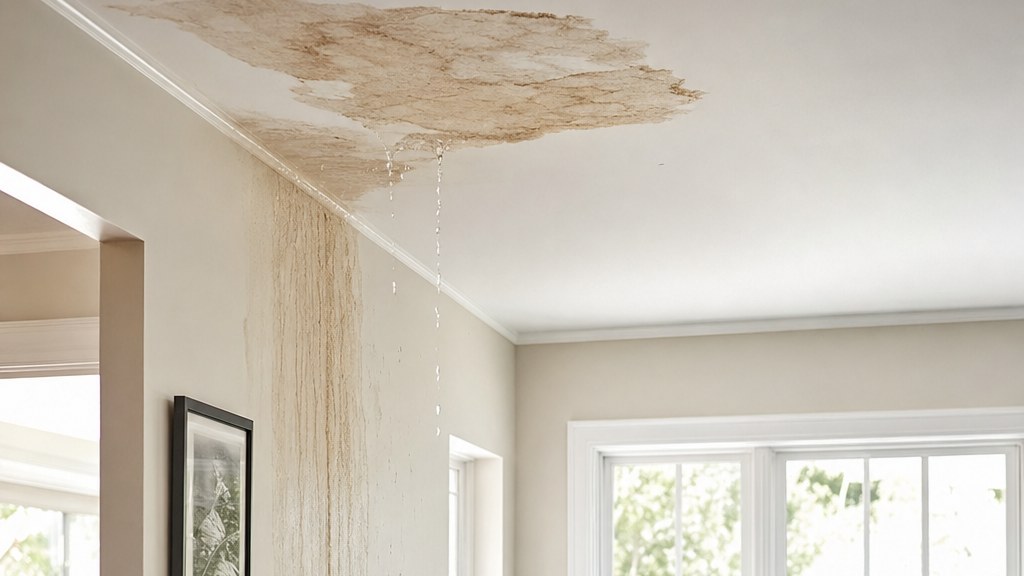
Pro Tip: Tell your contractor in writing, before demolition day, to stop and photograph anything not on the carrier's estimate before covering it. A five-minute pause and twenty photos is the difference between a documented supplement and an unprovable one.
How does the supplement process work, step by step?
The sequence below is what a well-run supplement looks like. Skipping steps does not speed it up; it just moves the delay to the end.
- Confirm the claim is open, or can be reopened. Get the carrier's status in writing along with a complete copy of the estimate and payment worksheet. You cannot supplement what you cannot read.
- Document the new scope before it disappears. Context photos and close-ups, measurements, moisture readings, material samples, dated notes. Wall cavities, roof decking, and subfloor are visible for a few days at most.
- Notify the carrier promptly and in writing. A short email with the claim number, the date, a statement that additional damage from the same loss was found, and a request for reinspection starts the clock and creates the record. Send it before the estimate is finished if the discovery is time-sensitive.
- Build the supplemental estimate in line-item form. Match the carrier's estimating format and line codes. A lump-sum contractor bid gets bounced for reconciliation almost every time.
- Tie every added item to the covered peril. This is the step most supplements lose on. Each line needs a why: this decking is rotted because wind-driven rain entered through the storm-damaged field, not from a decade of condensation.
- Submit the package as one file, then work the reinspection. Cover letter, line-item estimate, photo report keyed to the line items, contractor bids, invoices for costs already incurred, and any engineer, moisture, or code documentation. Carriers commonly send an adjuster back out; be present, or have your representative present, with the photo report in hand.
- Track the statutory clock and follow up in writing. In Florida, Fla. Stat. § 627.70131 requires the insurer to acknowledge claim communications within 7 calendar days and to pay or deny a claim or a portion of it within 60 days after notice of "an initial, reopened, or supplemental property insurance claim," absent factors beyond its control. Supplements are named in the statute, which is leverage when yours goes quiet.
- Escalate on the merits if it stalls. A refused, fully documented supplement is the point at which the policy's appraisal clause becomes a real option. See our appraisal and mediation page and the explainer on how insurance appraisal works.
What documentation makes a supplement stick?
Adjusters approve supplements they can defend to a file reviewer. That is the whole standard. Build the package for that reader.
- Photographs with hierarchy. Wide shot establishing the room or elevation, medium shot of the affected assembly, close-up of the damage, and a shot with a tape measure or scale in frame. Undated, uncontextualized close-ups prove nothing.
- A line-item estimate in the carrier's language. Most property carriers reconcile in Xactimate, so a supplement with matching line items, quantities, and unit prices can be compared directly against the original scope. A bid that says "repair water damage, $28,400" cannot be reconciled and will sit in review.
- Independent contractor estimates. Signed, itemized, on letterhead, from a licensed contractor who inspected the property.
- Invoices and proof of payment for costs already incurred. The Florida definition expressly contemplates "costs have been incurred while completing repairs."
- Causation evidence. Moisture mapping reports, engineer letters on structural items, and dated weather data for the loss event. This is what defeats a wear-and-tear reclassification.
- Code documentation. The permit application, the inspector's correction notice, or the code section requiring the upgrade. "The county made us" is not documentation; the correction notice is.
- A clean chronology. Date of loss, date reported, original inspection, payment, discovery, and the date you reported the discovery. A supplement with a timeline reads as legitimate; one without reads as an afterthought.
Pro Tip: Number every photo to the estimate line it supports and put that index in the cover letter. Reviewers approve what they can verify in under a minute, and a keyed photo report is the single cheapest thing you can do to make that happen.
What deadlines constrain a supplement?
Three clocks can run at the same time, and the shortest one governs.
Your policy's own conditions. Notice requirements, proof of loss, duty to cooperate, duty to protect the property from further damage, and any replacement cost time limits live in your policy. These are frequently shorter than any statute and they apply in every state. Our guide to what a proof of loss is covers the document carriers most often demand alongside a supplement.
Florida statutory notice deadlines. For policies effective on or after December 16, 2022, § 627.70132 generally requires notice of a supplemental claim within 18 months after the date of loss, and notice of a claim or reopened claim within 1 year. The statute tolls those limits during a servicemember's deployment to a combat zone or combat support posting that affects the ability to file, and it does not affect the separate limitation on civil actions under § 95.11. Hurricane files run into this constantly; see hurricane damage claims.
South Carolina. South Carolina does not impose a statutory supplemental-claim reporting deadline. What controls is your policy's own notice and proof-of-loss conditions, which are usually much shorter than any statute, and suits on a property insurance policy generally fall under the three-year period in S.C. Code Ann. § 15-3-530. South Carolina public adjusters are licensed and regulated by the South Carolina Department of Insurance under S.C. Code Ann. Title 38, Chapter 92, which requires a written contract before any work begins and gives you five business days to cancel it. Because the deadline that matters is almost always the one written into your policy, report and document additional damage as early as you can. Our South Carolina property insurance claims guide walks through the rest.
This section is general information, not legal advice. Which deadlines apply to your claim depends on your policy language, your policy's effective date, and the facts of your loss.
Why do supplements get denied?
Most supplement denials are documentation problems wearing a coverage costume.
- Causation reclassified. The carrier agrees the damage exists but attributes it to wear, deterioration, long-term seepage, or maintenance rather than the covered peril. This is the most common denial and the hardest to reverse, because the evidence that would have won it was destroyed during repairs.
- No proof it was not already paid. If the added item arguably falls inside a line already in the original estimate, the carrier will say it was covered. Beat this with the original estimate, line by line, showing the omission.
- Repairs completed before notice. Fixing it first and asking later invites a denial for failure to allow inspection and, in serious cases, a duty-to-cooperate argument.
- Deadline missed, or the claim reclassified. In Florida the 18-month supplemental window is hard, and a reclassification to a reopened or new claim can move you into a 1-year one. Elsewhere the policy's own conditions do the same job.
- Lump-sum or unreconcilable estimate. Not technically a denial, but functionally one. The file sits in "additional information needed" until the clock runs out.
- Ordinance or law limit exhausted. Code upgrades are paid from a sublimit on most forms. When it is used up, the balance is not covered no matter how well documented.
A supplement denied on a coverage ground rather than a documentation ground is different territory. That is what our denied claims service handles, and appraisal generally will not fix it, because appraisal decides the amount of loss and not whether the loss is covered.
Key Takeaways
| Point | Details |
|---|---|
| What a supplement is | Additional payment on an already-adjusted claim, for more damage or more scope from the same covered peril |
| Not the same as a reopened claim | A supplement covers newly found loss or incurred repair costs; a reopened claim covers additional cost for damage already disclosed (Fla. Stat. § 627.70132) |
| Most common triggers | Hidden damage exposed during repairs, code upgrades found at permitting, omitted line items, pricing gaps, and depreciation or holdback shortfalls |
| What wins them | Photos taken before the scope is closed up, a line-item estimate in the carrier's format, contractor bids, invoices, and causation evidence tied to the peril |
| Deadlines | Florida: generally 18 months from date of loss for a supplemental claim, 1 year for a new or reopened claim, for policies effective on or after December 16, 2022. South Carolina: policy conditions control, with a three-year suit limitation under S.C. Code § 15-3-530 |
| Carrier clock | In Florida, 7 days to acknowledge communications and 60 days to pay or deny an initial, reopened, or supplemental claim (Fla. Stat. § 627.70131) |
What we see in the field
The most expensive habit we encounter is treating the first check as the answer. Nothing about that payment announces that more is available. It arrives with a worksheet, it looks final, and a family under stress starts spending it. By the time the contractor says the job costs more than the check, the wall is closed, the shingles are in a dumpster, and the evidence that would have supported the supplement no longer exists. The money was there. The proof was not.
The second pattern is the supplement that is really a bid. A contractor sends a one-page proposal with a total at the bottom, the desk adjuster has no way to reconcile it against the approved scope, and the file goes into review and stays there. Supplements move when they are written in the same units the carrier estimates in, with quantities and a photo keyed to each disputed line. That is a formatting problem, not a legal one, and it is fixable before submission.
The third is causation drift. A supplement submitted a week after discovery is a scope conversation. The same supplement five months later, after repairs are done, becomes a debate about whether the damage was storm-related or old, argued from a position nobody can photograph their way out of. Speed here is not urgency for its own sake; it is preserving the only evidence that decides the question.
- The Vanguard field team
How Vanguard Claims Solutions helps
If your settlement came in below what the repair actually costs, or your contractor has found damage nobody scoped, we can tell you whether a supplement fits and what your file needs to survive review. Vanguard Claims Solutions is a public adjusting firm licensed in Florida and South Carolina, led by Andrew Pichardo (FL Public Adjuster License #W493213, SC License #18873906). We compare the carrier's scope against the actual damage line by line, reinspect and document what was missed, build the supplemental estimate, and negotiate the additional payment. We offer a free claim review and work with no upfront fees; the fee for your claim is set out in the written contingency agreement before you sign, and if there is no recovery, there is no fee. Call (305) 336-3302 or reach us through our contact page.
FAQ
Can I file a supplement after my claim was already paid and closed?
Often yes. Accepting or depositing a payment generally does not waive your right to additional money if the loss was underpaid. What limits you is the calendar: in Florida, notice of a supplemental claim is generally due within 18 months of the date of loss and a reopened claim within 1 year, for policies effective on or after December 16, 2022 (Fla. Stat. § 627.70132). In South Carolina, your policy's own conditions control.
What is the difference between a supplement and an appraisal?
A supplement adds documented scope or cost to the claim. Appraisal is a formal process in most policies for resolving a disagreement about the amount of loss once documentation is already on the table. The usual order is supplement first, appraisal only if a complete supplement is refused on the merits. Our appraisal explainer covers when that switch is worth making.
How long does an insurance supplement take to get paid?
It depends on the carrier, the added scope, and whether a reinspection is required, but Florida sets a floor: under Fla. Stat. § 627.70131 the insurer must acknowledge claim communications within 7 calendar days and pay or deny an initial, reopened, or supplemental claim, or a portion of it, within 60 days of notice, absent factors beyond its control. If your documented supplement passes those marks in silence, escalate in writing.
Do I need a contractor to file a supplement?
In practice you need a licensed contractor's itemized estimate for the added scope plus your own photographs. What you do not need is a lump-sum proposal, the format most likely to stall. If the added scope is significant or the carrier has already pushed back, a licensed public adjuster can build the supplement in the carrier's estimating format and argue it line by line. See what a public adjuster does and our public adjuster cost guide.
Is it too late to get help if repairs already started?
Not necessarily, and it is worth asking immediately rather than waiting for the job to finish. What matters is whether the additional damage can still be documented and whether you are inside your policy's and your state's deadlines. Our guide on when it is too late to hire a public adjuster walks through the realistic cutoffs.
This article is general information, not legal advice. Coverage, deadlines, and outcomes depend on your policy language and the facts of your claim.
Recommended
Dealing with this claim right now?
A licensed adjuster will review your loss and policy for free, with no obligation.