Why Insurance Companies Deny Fire Claims, and What to Do About It
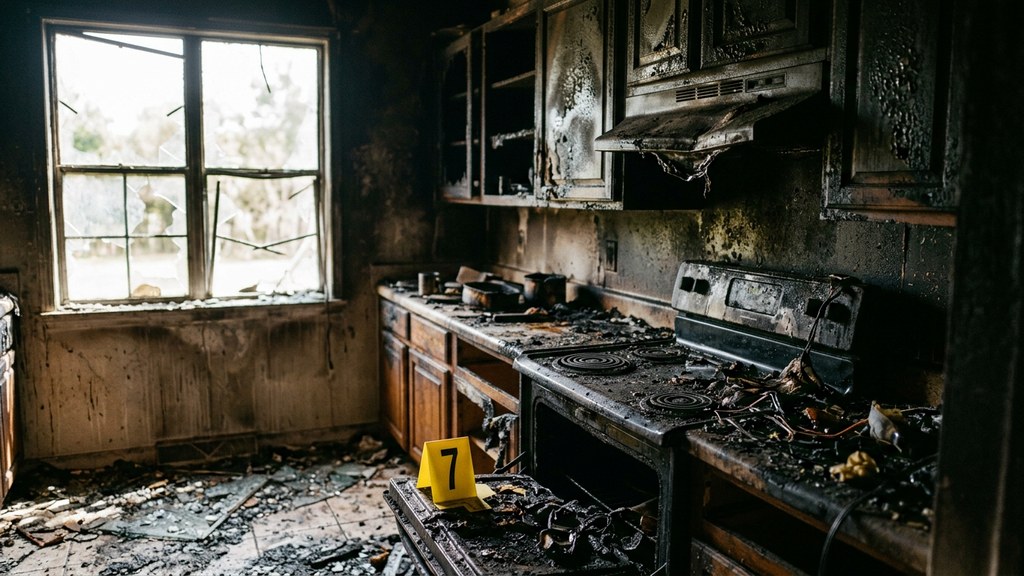
A fire claim is the claim homeowners are most sure will be paid. The house burned; the policy covers fire. So a denial letter, or a reservation of rights letter that reads like one, lands as a shock. It should not be a mystery. Fire denials follow a short, predictable list.
TL;DR:
- Fire is a named, covered peril on essentially every homeowners policy. Carriers rarely deny a fire claim because fire is not covered. They deny it because of something about the insured, the property, or the claim process.
- The recurring grounds are intentional loss (arson), concealment or misrepresentation, vacancy or non-residence, late notice, failure to meet post-loss duties (proof of loss, examination under oath, records), and lapsed coverage.
- Far more fire claims are underpaid than denied. Smoke boundaries, contents, and code upgrades are where most of the money is lost.
- A reservation of rights letter is not a denial. It is a warning that the carrier is investigating a coverage defense, and how you respond matters.
- In Florida, the insurer must pay or deny within 60 days of notice under Fla. Stat. § 627.70131. In South Carolina, a refusal to pay without reasonable cause or in bad faith can expose the insurer to your attorney's fees under S.C. Code Ann. § 38-59-40.
General information, not legal advice. Your policy controls. If you are accused of setting a fire, talk to a lawyer before anyone else.
We wrote a full guide on how fire damage claims work. This article is the other side of that coin: what the carrier is checking for while it processes your claim, and why a covered fire can still end in a denial letter.
Why fire claims get extra scrutiny
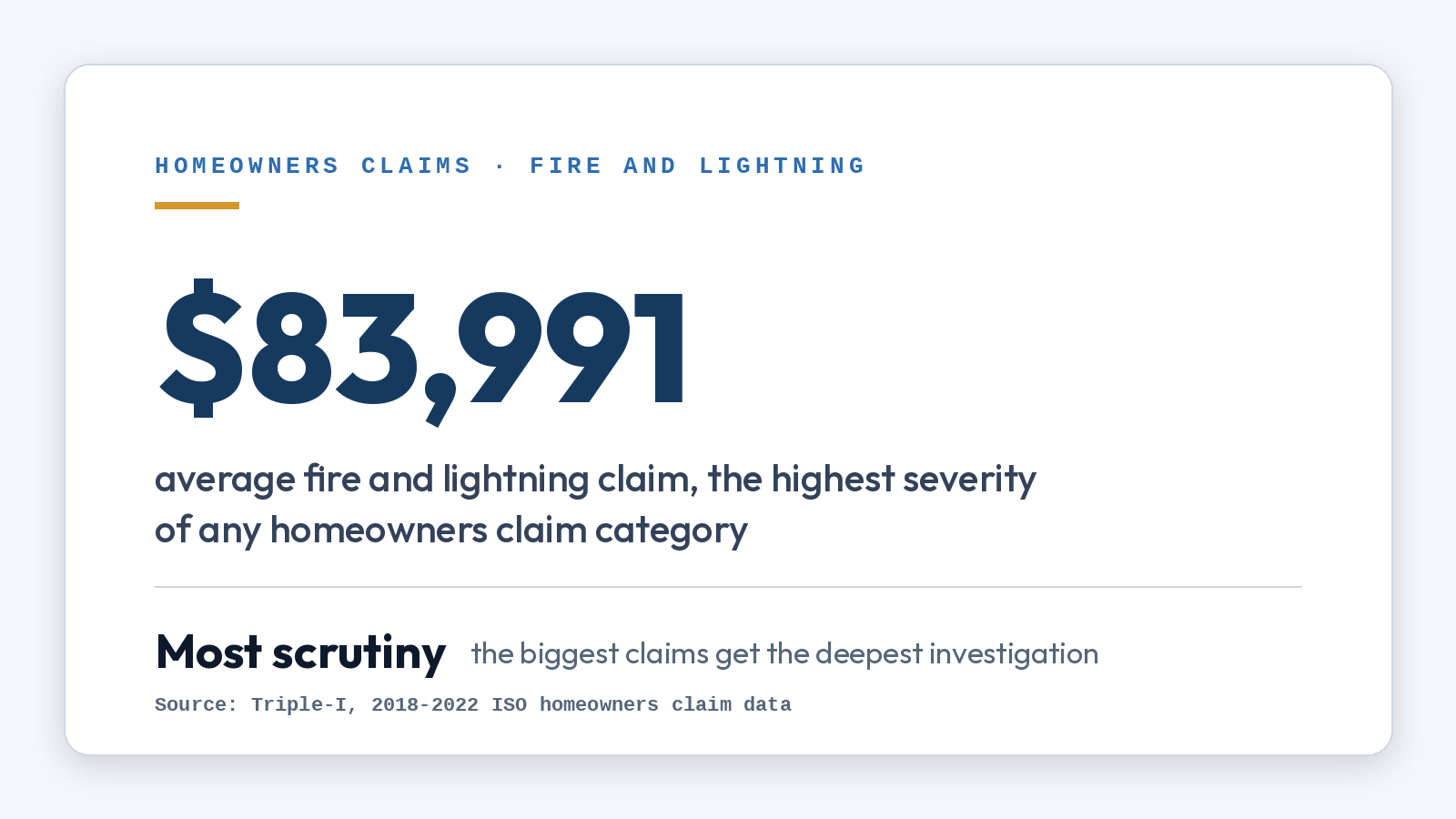
Fire claims are the most expensive claims in residential property insurance. Fire and lightning claims averaged $83,991 apiece across the 2018-2022 ISO data compiled by Triple-I, the highest severity of any homeowners claim category. A large loss gets a large investigation. On any significant fire, expect:
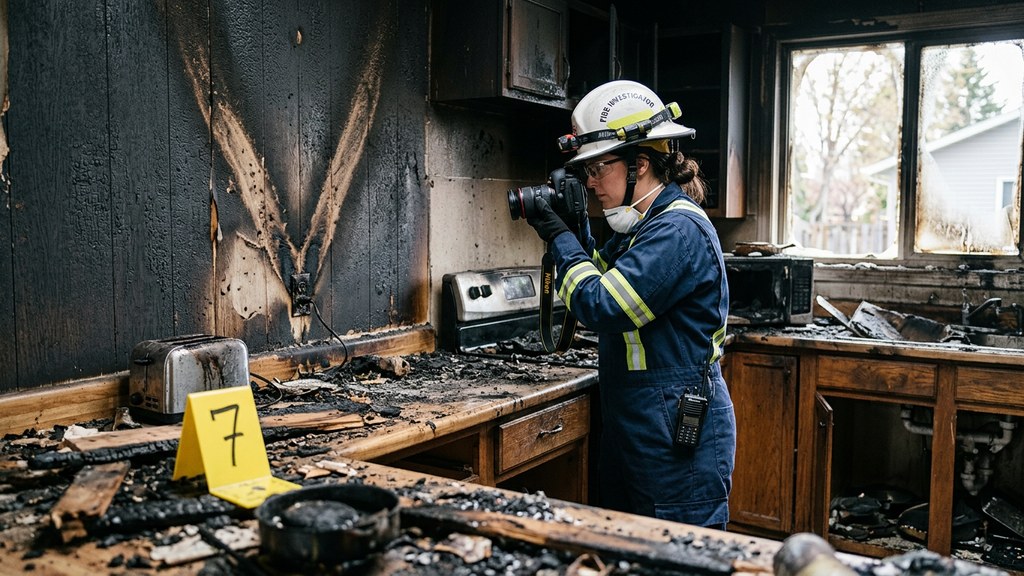
- An origin and cause investigator, working to NFPA 921, to determine where and how the fire started.
- A recorded statement request early in the claim.
- On larger or questioned losses, a request for financial records and an examination under oath.
- A review of the application you signed when you bought the policy.
None of that means the carrier suspects you. Most of it is routine on a loss that size, and the origin and cause work also serves subrogation against a manufacturer or contractor. But each step is also where a coverage defense, if there is one, gets built.
The six reasons fire claims get denied
Most homeowners policies in the United States are built on ISO forms. The references below are to the widely used HO-3 form, which you can read in the sample Triple-I publishes. Your policy's wording may differ; read yours.
| Denial ground | Where it comes from in the policy | What the carrier has to show |
|---|---|---|
| Intentional loss (arson) | Intentional Loss exclusion | That an insured intentionally caused the loss. Suspicion is not proof |
| Concealment or fraud | Concealment or Fraud condition | That an insured intentionally concealed or misrepresented a material fact, before or after the loss |
| Vacancy | Peril-specific vacancy limits and many dwelling or landlord forms | That the property met the policy's vacancy definition for the stated period |
| Not your residence | "Residence premises" definition | That you did not live there as the policy requires (common on inherited or relocated-owner homes) |
| Late notice | Duties After Loss: "prompt notice" | That notice was late and, in many courts, that the delay hurt the investigation |
| Failure to cooperate | Duties After Loss: proof of loss, records, examination under oath | That you did not meet a required duty after a proper request |
A seventh ground is not a policy defense but a fact: the policy had lapsed for nonpayment before the fire. Check your cancellation notices and payment records first.
1. Intentional loss and arson
The HO-3 excludes loss arising out of any act an insured commits or conspires to commit with the intent to cause a loss. Arson is the ground homeowners fear most and the one carriers use least, because it has to be proven, not presumed. Investigators look for incendiary indicators (multiple points of origin, accelerant, disabled alarms) alongside motive (financial trouble, a pending sale, a divorce, a recently increased coverage limit).
If the fire was accidental, the NFPA 921 methodology is your friend: it requires hypotheses to be tested against the physical evidence, and a cause called "undetermined" is not a finding of arson. Preserve the scene, get the fire department's incident report, and if the carrier's investigator reaches an incendiary conclusion, you have the right to your own qualified investigator.
2. Concealment, misrepresentation, and fraud
This is the denial ground we see far more often than arson. The HO-3's Concealment or Fraud condition voids coverage for an insured who, before or after the loss, intentionally concealed or misrepresented a material fact, engaged in fraudulent conduct, or made false statements relating to the insurance.
In practice it appears three ways:
- On the application. An undisclosed prior loss, an undisclosed home business, a wrong answer about roof age, electrical panel, or occupancy.
- In the contents inventory. Inflated values, items that were never owned, duplicated entries. An honest mistake is not fraud, but a pattern looks like one.
- In statements. A recorded statement or examination under oath that contradicts the physical evidence, the fire report, or an earlier statement.
Pro tip: in a contents inventory, write "estimated" next to any value you are guessing, and never list an item you cannot place in the home with a photo, receipt, or credible description. A slightly low but honest inventory gets paid. An inventory with one fabricated line can void the whole claim.
3. Vacancy and non-residence
Under the HO-3, the vacancy restriction is narrower than most people think: it removes vandalism and malicious mischief and certain glass coverage once the dwelling has been vacant more than 60 consecutive days. Fire itself generally remains covered under that form. But many dwelling fire and landlord policies, and vacancy endorsements, go further, and a house that sits empty while an estate is settled or a sale is pending is a classic denial file.
Closely related is the residence premises problem. An HO-3 insures the home where you reside. If you moved out, rented the property, or inherited it and never lived there, the carrier may argue the policy never applied. Tell your agent when occupancy changes, and get the right policy for the new use.
4. Late notice
Every policy requires prompt notice of a loss. Fires are almost always reported fast, so late notice on fire claims usually shows up in two situations: a smaller fire the homeowner handled on their own and reported months later when damage surfaced, or smoke damage discovered after the fact. In Florida, § 627.70132 generally bars a new claim not reported within 1 year of the date of loss for policies effective on or after December 16, 2022, and a supplemental claim after 18 months. In South Carolina, your policy's notice provision controls, and suit on the policy generally must be filed within 3 years under § 15-3-530.
5. Failure to cooperate: proof of loss, records, and the examination under oath
The HO-3's Duties After Loss condition requires you to, among other things, protect the property from further damage, prepare an inventory, show the damaged property, provide records and documents, submit to examination under oath while not in the presence of another insured, and send a signed, sworn proof of loss within 60 days after the insurer's request.
An examination under oath (EUO) is a formal, transcribed interview under oath, usually conducted by an attorney for the insurer. It is a contractual duty, not a courtroom proceeding, and refusing one can support a denial. You are generally permitted to bring your own attorney. Prepare for it the way you would for a deposition: review your application, your statements, your inventory, and your finances before you sit down.
Missed duties are the most avoidable denials on this list. Calendar every written request, answer it in writing, and if you need more time, ask for it in writing before the deadline.
6. Exclusions that ride along with fire
A handful of exclusions are not fire exclusions but show up in fire files: neglect (failing to protect the property from further damage after the fire, such as not tarping an opened roof), wear and tear or faulty workmanship on the component that failed, and, for smoke, the HO-3's carve-out for smoke from agricultural smudging or industrial operations. These usually reduce a claim rather than deny it outright.
Reservation of rights is not a denial
Many homeowners receive a reservation of rights letter a few weeks into a fire claim and read it as a denial. It is not. It tells you the carrier is continuing to investigate while preserving its right to raise a specific coverage defense later. Read it for three things:
- Which policy provision the carrier is citing. That tells you exactly what it is investigating.
- What it is asking you for. Records, an EUO date, a proof of loss.
- Deadlines. Anything with a date needs a written response by that date.
Respond in writing, provide what is reasonably requested, and keep copies of everything. A well-documented response to a reservation of rights letter is how most of these investigations end in payment.
Denied or underpaid: most fire disputes are about amount
Outright fire denials are the minority. The larger problem is the claim that is approved and underpaid. The recurring gaps:
- Smoke boundaries drawn too tight. Smoke and soot travel through HVAC and wall cavities far beyond the burned room. The ANSI/IICRC S700 standard sets out how affected areas should be assessed.
- Clean versus replace. Contents and finishes that cannot be restored to pre-loss condition are scoped for cleaning anyway.
- Contents undervalued or left incomplete because the inventory was built from memory.
- Code upgrades the permit requires, left out of the estimate even though the policy's ordinance or law coverage applies.
- Hidden damage found during demolition that is never supplemented.
When the dispute is only about the amount, many policies provide an appraisal process that resolves it without a lawsuit.
What to do after a fire claim denial
- Get the denial in writing and identify the exact policy provision cited.
- Get the whole file you are entitled to: the policy with all endorsements, the origin and cause report, your recorded statement or EUO transcript, and the carrier's estimate.
- Compare the stated reason to the facts. Is the "vacancy" actually the policy's definition? Is the "misrepresentation" actually material? Was a "missed duty" ever properly requested?
- Watch the clocks. Florida's reporting and supplemental deadlines under § 627.70132, the policy's suit limitation, and South Carolina's 3-year limit under § 15-3-530 keep running.
- Get the right help. A public adjuster documents and negotiates the claim. If the denial alleges arson or fraud, or you are headed to litigation, you need a lawyer.
Our denied claims page explains how we approach a denial.
What we see in the field
The fire denials we see most are process denials, not arson denials. A proof of loss request that went to an old address. An EUO rescheduled twice and then treated as a refusal. A contents list with values copied from a replacement website for items the homeowner owned secondhand, which the carrier then framed as misrepresentation. Each of those was avoidable, and each was answerable once the file was put in order.
The second pattern is the reservation of rights letter that the homeowner ignored because it did not say "denied." The carrier's requests went unanswered, and the non-response became the denial.
The third is the approved fire claim that was scoped as a kitchen fire when the smoke had reached every room on the floor. The claim was never denied. It was simply paid as a much smaller loss than it was.
How Vanguard Claims Solutions helps
We are licensed public adjusters. We represent you, never the insurer. On a fire claim that means we:
- Build the complete record early: scope, smoke assessment, contents inventory with defensible values, and the living expense ledger.
- Track every carrier request and respond on time, in writing, so a missed duty never becomes the denial.
- Review reservation of rights and denial letters against the actual policy language and the facts.
- Negotiate the amount when the claim is approved but underpaid, including supplements and appraisal where the policy provides it.
If a denial turns on an arson or fraud accusation, we will tell you plainly that you need an attorney.
There are no upfront fees and no recovery, no fee. The fee for your claim is set out in the written contingency agreement before you sign anything.
Andrew Pichardo · FL Public Adjuster Lic. #W493213 · SC Public Adjuster License #18873906
Call (305) 336-3302 or request a free claim review.
Key takeaways
| Question | Short answer |
|---|---|
| Is fire covered by homeowners insurance? | Yes, fire is a covered peril on essentially every homeowners policy |
| Why are fire claims denied, then? | Intentional loss, concealment or misrepresentation, vacancy or non-residence, late notice, missed post-loss duties, or a lapsed policy |
| Is a reservation of rights a denial? | No. It is notice of an ongoing coverage investigation. Respond in writing |
| Do I have to sit for an examination under oath? | If the policy requires it and the request is proper, generally yes. You can bring your own attorney |
| Are most fire disputes denials? | No. Most are underpayments on smoke, contents, code upgrades, and hidden damage |
| Florida timing? | Pay or deny within 60 days of notice (§ 627.70131); 1 year to report, 18 months to supplement (§ 627.70132) |
| South Carolina timing? | Reasonable promptness (§ 38-59-20); 3-year suit limit (§ 15-3-530); fees possible for bad-faith refusal (§ 38-59-40) |
FAQ
What are the most common reasons insurance companies deny fire claims?
The most common grounds are intentional loss (arson), concealment or misrepresentation of a material fact on the application or during the claim, vacancy or the insured not living at the property, late notice, failure to meet post-loss duties such as a proof of loss or examination under oath, and a policy that lapsed before the fire. Fire itself is a covered peril, so denials almost always rest on one of these conditions or exclusions.
Can an insurance company deny a fire claim for suspected arson?
It can deny under the intentional loss exclusion, but it has to support that position with evidence, not suspicion. An origin and cause finding of "undetermined" is not a finding of arson. If you are accused of setting a fire, stop giving statements and speak with a lawyer before the examination under oath or any further interview.
Does homeowners insurance cover a fire in a vacant house?
It depends on the policy. The standard HO-3 form's vacancy restriction removes vandalism and certain glass coverage after 60 consecutive days of vacancy, but generally not fire. Many dwelling fire, landlord, and endorsed policies restrict coverage more broadly, and a home you do not reside in may not qualify as your residence premises at all. Read your policy and tell your agent when occupancy changes.
What is an examination under oath on a fire claim?
It is a formal, transcribed interview under oath, usually conducted by the insurer's attorney, that many policies require as a condition of coverage. It covers the fire, the property, your finances, and the claimed damages. You can generally bring your own attorney. Refusing a properly requested examination can support a denial.
What should I do if my fire claim is denied?
Get the denial in writing, identify the exact policy provision cited, and request your policy, the origin and cause report, and your statements. Compare the stated reason to the facts and track your deadlines. A public adjuster can document and negotiate a disputed or underpaid claim; if the denial alleges arson or fraud, retain a lawyer.
Recommended reading
Dealing with this claim right now?
A licensed adjuster will review your loss and policy for free, with no obligation.